

|
|
||||||||
Original Research |
Institute of Nutritional Science, School of Nutrition (H.-L.C., Y.-C.C.), Taichung, Taiwan, R.O.C
Department of Public Health (Y.-P.L.), Taichung, Taiwan, R.O.C
Chung Shan Medical University, Division of Endocrinology and Metabolism, Department of Medicine, Taichung Veterans General Hospital (W.H.-H.S., T.-S.T.), Taichung, Taiwan, R.O.C
Address reprint requests to: Hsiao-Ling Chen, Ph.D., R.D., 110 Sec. 1 Chien-Kuo N. Rd., Institute of Nutritional Science, School of Nutrition, Chung Shan Medical University, Taichung, Taiwan 402, R.O.C. E-mail: hlchen{at}csmu.edu.tw
| ABSTRACT |
|---|
|
|
|---|
Methods: Twenty-two diabetic subjects (age 64.2 + 8.4 years, BMI 25.5 + 3.2 kg/m2) with elevated blood cholesterol levels (fasting glucose between 6.714.4 mmol/L), but currently not taking lipid-lowering medication, were recruited to participate in a two 28-day period, randomized, double-blind, crossover clinical trial. Fasting blood samples drawn on the initial and final days of each period were determined for plasma lipids and glucose levels. Feces collected at the end of each experimental period were analyzed for neutral sterol and bile acid contents.
Results: Compared with placebo, KGM effectively reduced plasma cholesterol (11.1%, p = 0.0001, adjusted
= 0.006), LDL-cholesterol (20.7%, p = 0.0004, adjusted
= 0.006), total/HDL cholesterol ratio (15.6%, p = 0.0005, adjusted
= 0.007), ApoB (12.9%, p = 0.0001, adjusted
= 0.006) and fasting glucose (23.2%, p = 0.002, adjusted
= 0.008). Plasma triglyceride, HDL-cholesterol, LDL/HDL cholesterol, postprandial glucose and body weight were not significant after adjustment by the Bonferroni-Hochberg procedure. Fecal neutral sterol and bile acid concentrations were increased by 18.0% (p = 0.004) and 75.4% (p < 0.001), respectively, with KGM supplement.
Conclusions: The KGM supplement improved blood lipid levels by enhancing fecal excretion of neutral sterol and bile acid and alleviated the elevated glucose levels in diabetic subjects. KGM could be an adjunct for the treatment of hyperlipidemic diabetic subjects.
Key words: konjac glucomannan, diabetes, hypercholesterolemia, hyperglycemia, bile acid
| INTRODUCTION |
|---|
|
|
|---|
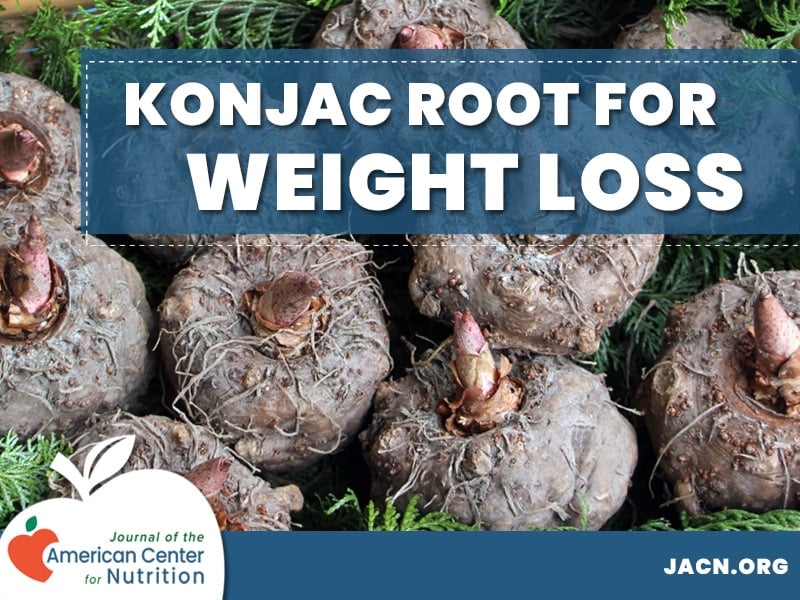
Konjac, Amorphophallus Konjac C. koch, a tuber of Oriental origin, is rich in glucomannan polysaccharide [7]. The viscous, water-soluble glucomannan is extracted from the tubers with water, dried and made into rubbery jelly, noodles and other food products. Glucomannan has been used for over 1000 years in Japan and now is popular in Taiwan. Konjac glucomannan (KGM) lessened the rise in blood glucose levels when given as part of a test meal in healthy adults and in diabetics [8]. In addition, a KGM supplement has been reported to lower blood cholesterol levels in healthy and hypercholesterolemic adults [9,10]. Two recent studies further evaluated both the hypocholesterolemic and hypoglycemic benefits of KGM-rich meals in individuals with diabetes or insulin-resistant syndrome [11,12]. Daily ingestion for three weeks of a KGM-rich diet (0.7 g KGM/100 kcal intake) effectively improved hypercholesterolemia, fasting fructosamine levels in high-risk type 2 diabetics [11]. In another study by the same research group, KGM-rich diet (0.5 g/100 kcal intake) again lowered blood cholesterol and fasting fructosamine levels in prediabetic, insulin-resistant patients [12].
Our primary objective was to determine the roles of KGM supplement in hypercholesterolemic, type 2 diabetic patients who were not taking lipid-lowering medication. The daily dose of KGM used in most of previous studies was 813 g/day [8,1112], nearly 1/3 of the recommended fiber intake [4]. This study was aimed to explore the effectiveness of low dose of KGM supplement (3.6 g KGM per day) in type 2 diabetic subjects. Furthermore, the possible mechanism by which the KGM supplement exerted hypocholesterolemic effects was investigated by determining bile acid excretion.
| SUBJECTS AND METHODS |
|---|
|
|
|---|
Hypercholesterolemic diabetic subjects who potentially met our criteria had been advised to keep dietary habits according to the National Cholesterol Education Program (NCEP) from the run-in period throughout the study [13]. The run-in period was to screen patients who stayed hypercholesterolemic even with an NCEP dietary regimen and to allow patients to adapt to the dietary pattern. Following the run-in period, twenty-two subjects recruited into the study were randomly assigned to consume either placebo (12 subjects) or KGM (10 subjects) capsules for 28 days and, without a washout period, were immediately switched to the other treatment for another 28 days. Gelatin capsules each contained 0.5 g konjac powder (catalogue number T18, <60 mesh; Fukar International Company, Ltd., Taipei, Taiwan) or 0.5 g food-grade corn starch (Chungman Trading Co., Ltd., Korea) were taken three times daily, one half hour before each meal with a glass of water, as done by Arvill et al. [9]. The dose of glucomannan fiber increased progressively from 1.2 (for 3 days), 2.6 (for 3 days), to 3.6 g per day for 22 days.
The composition of the konjac powder was (on dry weight basis) 80% glucomannan, 8.0% starch, 3.4% protein, 3.8% lipid, 1.7% ash and 3.1% moisture, as analyzed using AOAC method. Starch was quantified using amylase method [14]. Protein was determined by Kjeldahl analysis for nitrogen and conversion to protein using 6.25 [15]. Lipid was extracted with ether using a Soxhlet apparatus [16]. Ash was determined by heating at 550°C overnight [17]. The moisture was determined by vacuum-drying at 110°C overnight [17]. The glucomannan content was calculated by subtracting the contents of moisture, starch, protein, fat and ash.
Blood was drawn and body weight was measured for each subject on days 0, 28 and 56 of the study. In the morning of blood drawing, a test meal (376 kcal, 48 g available carbohydrate, 15 g protein and
14 g lipid) consisting of white toast (President, Tainan, Taiwan), spreading margarine (Meiji Milk, Tokyo, Japan) and imitated pork shred (Kwang Da Shaun Food Co., Taiwan) was given to subjects after the fasting blood sample had been obtained. The contribution of carbohydrate, protein and lipid to the energy of this test meal was 51.3%, 13.8% and 32.8%, respectively. Two-hour postprandial blood samples were then obtained for glucose analysis. Subjects were asked to record the symptoms of intestinal discomfort every day. Subjects were asked to maintain constant dietary pattern, exercise and lifestyle during the investigation. Compliance of subjects was monitored by phone-interview every week, two-day diet record, exercise record and returned capsules at the end of each study period. The study protocol was approved by the Chung Shan Medical University Teaching Hospital, and all subjects gave their written, informed consent.
Subjects
Outpatients aged above 45 years admitted in the Department of Medicine (Taichung Veterans General Hospital, Taichung, Taiwan) were screened for the following criteria: type 2 diabetes mellitus, receiving oral hypoglycemic medicine for at least one year, fasting glucose concentration
260 mg/dL (14.4 mmol/L), total plasma cholesterol concentration of
200 mg/dL (5.17 mmol/L) without taking lipid lowering medication, willingness to comply the treatments, and absence of heart, hepatic and renal failure. Twenty-two subjects finished the study with no dropouts. The participants (10 male, 12 female) were ambulatory, with plasma cholesterol (mean + SD, range) of 6.2 + 0.7, 5.27.5 mmol/L; triglyceride of 2.0 + 0.9, 0.64.0 mmol/L; fasting glucose of 9.1 + 1.9, 6.714.4 mmol/L; age of 64.2 + 8.3, 5277; BMI (kg/m2) of 25.5 + 3.2, 21.032.6 on day 0 of the study. The oral hypoglycemic agents administered included glinbenclamide (5 subjects), metformin (2 subjects), glipizide (1 subject), or combination of glipizide and metformin (3 subjects), of glinbenclamide and metformin (6 subjects), of glipizide and metformin (3 subjects), of glinbenclamide and insulin (1 subject), and of glinbenclamide, metformin and acorbose (1 subject). The dose of medication stayed constant during the investigation. None of the participants took lipid-lowering medication during the study.
Dietary Assessment
Subjects were advised for NCEP regimen and closely monitored by the investigators throughout the entire study. Subjects were asked to keep diary records for only two days in each period because five out of 22 subjects were illiterate. The energy, macronutrient, fatty acids profile and dietary fiber consumed as the average of two days was calculated for each period based on local food tables [18].
Blood Analysis
Blood samples (10 mL) were collected into tubes containing disodium EDTA on the days 0, 28 and 56. Plasma samples were collected after centrifugation at 3000 rpm for 10 minutes and were then stored in -70°C until analysis at the end of the study. Plasma total cholesterol, triglyceride and glucose concentrations were measured enzymatically on the Express Clinical Chemistry Analyzer (Ciba Corning Diagnostics Corp., Oberlin, OH) with respective calibrator and biological standards. The measurement errors were consistently within limits set by the CDC standardization program. High-density-lipoprotein (HDL) cholesterol was measured after heparin-manganese precipitation of plasma [19]. Low-density-lipoprotein (LDL) cholesterol was calculated from the formula of Friedewald et al. [20]. Apolipoprotein B (apo B) concentration in plasma was determined with immunoassay (Randox Laboratories, San Francisco, CA). Every analysis was conducted in duplicate.
Analysis of Fecal Neutral Sterol and Bile Acid
Subjects produced a stool at their regular clinical appointment on days 28 and 56. Two aliquots of 15 g each were collected with a spatula from the middle of the stool. Fecal samples were dried in a vacuum oven at 70°C overnight and then ground. Neutral steroids and bile acids were extracted from feces with 20 volume of mixture of chloroform and methanol (2:1 v/v) at 60°C for 2 hours. Neutral steroids were quantified using Libermann-Burchard reagent (acetic anhydride:sulfuric acid:acetic acid = 20:1:10) [21]. Bile acids were quantified using the reaction catalyzed by 3
-hydroxysteroid dehydrogenase (EC1.1.1.50; Randox Laboratories, San Francisco, CA) [22]. The known amounts of cholesterol/chenodeoxycholic acid were added into a fecal sample, which was extracted with identical way of its blank counterpart that was not added with cholesterol/chenodeoxycholic acid.
The recovery was determined as the following equation:
![]() | 1 |
The extraction efficiencies for neutral cholesterol and bile acid were 98% and 85%, respectively.
Statistical Analyses
Results were expressed as means + SD and analyzed using by the Statistical Analysis System (SAS) [23]. The carryover effect of treatment was not observed since p > 0.1 as analyzed by 2 x 2 crossover method [24]. The within-treatment differences in plasma lipids, ratio of apolipoprotein cholesterol, apolipoprotein B, fasting glucose, postprandial glucose and body weight between the beginning (week 0) and end (week 4) of each treatment (placebo and KGM) were expressed as % change of the final (day 28 or 56) to initial (day 0 or 28) measurements and analyzed by two-tailed Students t test for paired data (proc univariate). The between-treatment effects (KGM vs. placebo) for each parameter were analyzed by the general linear model procedure (proc glm). Control of individual variation from the repeat measures aspect of the design was addressed by incorporating the random subject effect as well as the diet, gender and phase effects into the model. Adjustment for multiple comparisons was made by the Bonferroni-Hochberg procedure for the end points of metabolic controls [25]. p values for each end point were ordered sequentially and contrasted with the corresponding adjusted
-value. Null hypotheses were rejected only if the p values were less than their corresponding
-value [25]. Dietary intakes as the means of two days during the run-in, placebo and KGM periods were analyzed with one-way ANOVA, followed by Dunnetts test using run-in period for the comparison, respectively. The fecal neutral steroid and bile acid excretions between treatments were analyzed using Students paired t test. p < 0.05 indicates significant difference for Students paired t test, one-way ANOVA and Dunnetts test.
| RESULTS |
|---|
|
|
|---|
Energy and Nutrient Intakes
The daily energy and nutrient intakes during the run-in, placebo and KGM periods is shown in Table 1. The average energy consumed during each period was similar, around 1500 kcal/day. The proportion of energy contributed by fat, protein and carbohydrate were similar between study periods. Protein and carbohydrate contributed to
17% and 53% to 55% of the total energy ingested. Dietary fat, fatty acid profile and cholesterol intakes complied with the NCEP step 1 diet guideline. Total fat and saturated fatty acid contributed to less than 30% and less than 10% of total energy intake, respectively. In fact, saturated, monounsaturated and polyunsaturated fatty acids each contributed <7%,
9% and 9% to 10% of total energy, respectively, during each period. Daily consumption of cholesterol did not exceed 300 mg/day for all three periods. Dietary fiber consumed from the meal excluding the KGM fiber was in the range of 1113 g/day (7.58.4 g/Mcal).
|
= 0.006) for total cholesterol and -20.7% (p = 0.0004, adjusted
= 0.006) for LDL-cholesterol. HDL cholesterol concentration was elevated by 4.5% (p = 0.034) during KGM treatment compared with -0.5% (p = 0.49) during the placebo period. However, the difference in HDL cholesterol levels between treatments was insignificant (p = 0.392, adjusted
= 0.05). The total/HDL-cholesterol and LDL/HDL-cholesterol ratios were significantly reduced by 11.6% (p < 0.001) and 13.6% (p = 0.01), respectively, during KGM period. While compared with the effect during the control period, the changes in total/HDL-cholesterol was significant, -15.6% (p = 0.0005, adjusted
= 0.007). However, the difference between treatments was insignificant for LDL/HDL cholesterol (p = 0.011, adjusted
= 0.010). The apo B concentration was significantly reduced during the KGM treatment by 9% (p = 0.134). The between-treatment difference for apo B level was observed (-12.9%, p = 0.001, adjusted
= 0.006).
|
= 0.008). The postprandial glucose level was also significantly decreased by 12.2% (p = 0.006) compared with a 12.6% (p = 0.077) increase during the placebo control period. However, the between treatment effect were insignificant (p = 0.014, adjusted
= 0.013). The body weight decreased slightly during the period of KGM supplementation, and the between-treatment effect was insignificantly (p = 0.115, adjusted
= 0.025), compared with a 0.2% increase during the control period.
Fecal Neutral Sterol and Bile Acid Contents
The fecal neutral sterol and bile acid contents are shown in Table 3. The concentrations of fecal neutral sterols and bile acids (mg/g dry feces) were both increased with KGM treatment by 19.4 + 25.0% (p = 0.004) and 75.4 + 81.5% (p < 0.001), respectively, in relative to the placebo treatment.
|
| DISCUSSION |
|---|
Although this study was not metabolically controlled, the diet consumed by the subjects throughout the study was relatively constant in energy, lipid, fatty acid, protein, carbohydrate, cholesterol and dietary fiber contents (Table 1). Although the two-day diary records obtained from our subjects might not be as accurate as three-day diary records, we observed less than 15% variation between the two day in energy intake. The average dietary fiber intake in our subjects was in the range of 7.68.4 g/Mcal or 11.412.5 g/day, which was relatively lower than the American Diabetic Associations recommendation, 12.5/Mcal or 2035 g/day [4]. This low level of fiber intake was not surprising compared with only
5 g crude fiber intake in Taiwanese aged 5564 (n = 1005) [26] or 8.8 g dietary fiber intake for the senior population aged over 70 (n = 313) [27]. The additional KGM fiber (3.6 g/day, 2.4 g/Mcal) was
22%24% of the total dietary fiber ingested during the KGM.
The American Diabetic Association recently recommended the optimal blood lipid levels for diabetic patient with dyslipidemia [28]. The concentrations of LDL-cholesterol was suggested to be lower than 2.59 mmol/L (100 mg/dL), of HDL-cholesterol greater than 1.16 mmol/L (45 mg/dL), and of triglyceride <2.26 mmol/L (200 mg/dL). All of our subjects were hypercholesterolemic, of which six also had elevated triglyceride level (>2.26 mmol/L) on day 0 of this study. During the 28-day KGM supplementation, plasma total cholesterol level was lessened for
11%, as compared to placebo, and resulted in normalization of total cholesterol level in six out of twenty-two subjects. Three of 22 subjects obtained LDL-cholesterol <2.59 mmol/L as recommended at the end of KGM period. Furthermore, 10 subjects raised their HDL-cholesterol over 1.16 mmol/L after KGM treatment. Three of them obtained triglyceride level as recommended by ADA after consuming KGM supplement. Thus, this study confirmed the short-term (three week to one month) hypocholesterolemic effects of KGM as demonstrated previously in healthy, high-risk-for-type-2-diabetes and prediabetic insulin-resistant subjects [9,11,12]. Although the effect of long term (over one month) KGM supplement on the blood cholesterol profile remains to be investigated, this study suggests the potential of low dose (3.6 g/day, 0.24 g KGM fiber/100 kcal) KGM as part of the lipid-lowering treatment for type 2 diabetic patients.
Several studies have pointed out gel-forming dietary fibers such as pectin, guar gum and psyllium reduced blood cholesterol concentrations in rats [2931]. In humans, psyllium and guar have been shown to elicit cholesterol-lowering effects, ranging from 4% to 20% for total cholesterol and 6% to 27% for LDL-cholesterol [32]. However, the changes in the HDL-cholesterol and triglyceride levels did not always accompany the decrease in total and LDL cholesterol levels [32]. The soluble fiber KGM reduced total and LDL cholesterol by 11% and 21% in this study, respectively, which were within the ranges exerted by psyllium and guar. Although the mechanism has not yet been fully explored, it is postulated that dietary fiber decreases blood lipid and cholesterol by increasing fecal sterol or bile acid output. This theory is supported by animal studies [29,33], but clinical studies are as yet scanty. A recent clinical study by Chandalia et al. [5] indicated that increase in mainly soluble fiber intake from a mixed diet significantly decreased cholesterol absorption by 10% and increased fecal bile acid excretion by 41% in diabetic patients [5]. Adding a larger amount of oat bran fiber (16 g) to a controlled diet caused a very large increase (115%) in fecal bile acid excretion [34]. Results from the present study showed that KGM significantly increased fecal neutral sterol content by 19%, and fecal bile acid content by 75%, respectively, in relative to the placebo treatment (Table 3). Although the bile acids were analyzed chemically in previous studies [5,34], differently from the biochemical method used in our study, our results agreed with the previous studies that the increases in fecal sterol excretion might mediate the cholesterol-lowering effect of fiber.
In this study, the fasting glucose was significantly elevated at the end of the placebo periods (p = 0.017). The postprandial glucose (
13%), total-cholesterol (
3%), LDL-cholesterol (
10%) and apo B (
4%) levels also tended to increase during the placebo period in this study. These increases in glycemia, cholesterol and apo B levels by the placebo treatment in this study were observed especially in patients who took KGM first for 28 days and, without any washout period, immediately took the placebo. Since konjac supplementation effectively reduced glycemia, cholesterol and apo B levels on day 28 (the final day of KGM period) as compared to the level obtained in the beginning of the study (end of the run-in period), the increases in the measurements on day 56 as compared to day 28 indicated that effects of KGM supplement were not sustained to day 56 (the final day of the placebo period). We also could not exclude the possibility that diseases progressed while patients took consistent doses of hypoglycemic medication and did not take any lipid-lowering medication throughout the study.
Nevertheless, the changes in the fasting and two-hour postprandial blood glucose concentrations were significantly lowered after KGM supplement, even when not compared to the effect of placebo (Table 2). These observations agreed with many previous studies in which soluble dietary fibers improved glycemic control [6,8,11,12,35,36]. The hypoglycemic effect of guar gum has been extensively evaluated and been shown to reduce fasting and postprandial glucose levels in type 2 diabetics [35] and reduced the need for insulin in healthy men [36]. A single dose of KGM has been shown to alleviate the rise in postprandial blood glucose concentration, with greater effect than the same dose of guar gum [8]. Konjac-rich diets have also been shown to effectively decrease fasting fructosamine in high-risk diabetes [11] and insulin-resistant patients [12]. The possible mechanism for the hypoglycemic effects of KGM may be due to its rheological property, which hampers the rate of carbohydrate digestion and absorption and further reduces the increment of plasma glucose after a meal [6,8]. The KGM capsule ingested before the meal in this study, different from KGM incorporated into meals [8,11,12], could provide a layer of unstirred water prior to any metabolism of dietary nutrients. These preventive effects for rapid absorptions of lipid and glucose could explain why low dose of KGM in this study, compared with relatively higher dose in previous studies [1112], could also exert benefit effects in alleviating hypercholesterolemia and hyperglycemia. The benefits of KGM powder administered before meals in this study supports its use in the management of glycemia in type 2 diabetic patients.
In conclusion, our findings suggest that a small dose of KGM supplement (3.6 g/day, 0.24 g/100 Kcal) could be an adjunct for treating type 2 diabetes as it could alleviate hypercholesterolemia by enhancing fecal excretion of cholesterol and bile acid and improved glycemia in hyperlipidemic type 2 diabetic patients.
| ACKNOWLEDGMENTS |
|---|
|
|
|---|
Received July 26, 2001. Accepted October 7, 2002.
| REFERENCES |
|---|
|
|
|---|
This article has been cited by other articles:
![]() |
N. Sood, W. L Baker, and C. I Coleman Effect of glucomannan on plasma lipid and glucose concentrations, body weight, and blood pressure: systematic review and meta-analysis Am. J. Clinical Nutrition, October 1, 2008; 88(4): 1167 - 1175. [Abstract] [Full Text] [PDF] |
||||
![]() |
H.-L. Chen, H.-C. Cheng, W.-T. Wu, Y.-J. Liu, and S.-Y. Liu Supplementation of Konjac Glucomannan into a Low-Fiber Chinese Diet Promoted Bowel Movement and Improved Colonic Ecology in Constipated Adults: A Placebo-Controlled, Diet-Controlled Trial J. Am. Coll. Nutr., February 1, 2008; 27(1): 102 - 108. [Abstract] [Full Text] [PDF] |
||||
| ||||||||||||||||||||||||||||||||||||||||||||||||||||||||||
| HOME | HELP | FEEDBACK | SUBSCRIPTIONS | ARCHIVE | SEARCH | TABLE OF CONTENTS |