

Does Eating Soy Effect Your Brain?
Human bodies react to the food they consume. Diet can positively affect various conditions and health aspects including cognitive functions. Recent soy-related observational studies and research show promising results for the impact of soy consumption on brain health.
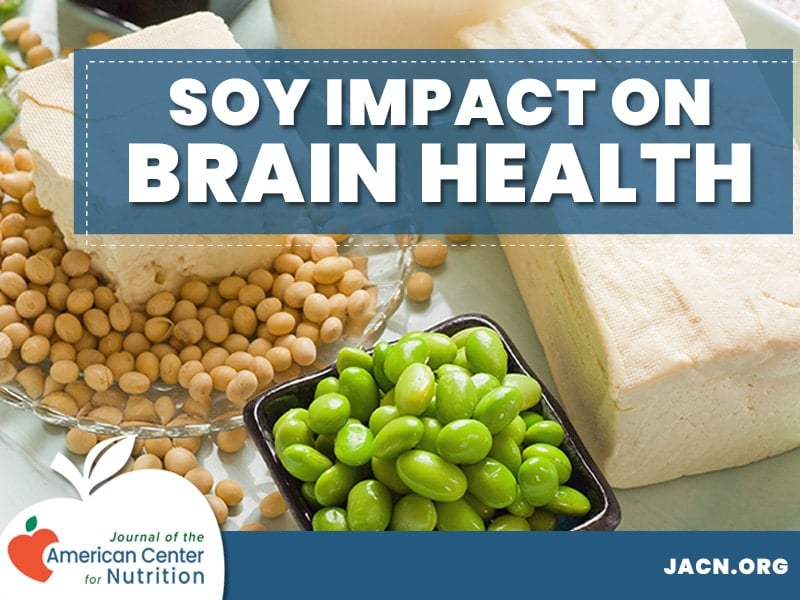
Soy isoflavones appear in many common foods like tempeh, soy nuts, soy sauce, tofu, textured soy protein, soy milk, edamame, soy flour, shoyu sauce, miso soup, and more. Consuming any source of isoflavones may provide beneficial effects, like improved memory retention, cognitive function, slowed progression of Alzheimer’s, and strengthened brain health.
Effects of Soy on Cognitive Function and Memory
Various studies explore the effects of soy on brain health to understand how the ingredient impacts cognitive function, memory, and existing degenerative diseases. Soy may offer positive memory and cognitive effects, though the research supporting soy treatments for dementia is limited.
Cognitive Function Results
Cognitive function refers to the brain’s ability to complete various complex tasks, like critical thinking, planning, recalling memories, problem-solving, multitasking, and more. Most clinical studies discovered that soy affects participants’ brains differently, depending on their gender, age, and existing conditions.
A ten-week placebo-controlled study with over 1,000 participants found that soy isoflavones improved cognitive functions in postmenopausal women younger than 60 [1]. A similar large double-blind study on postmenopausal women found that after several years of soy consumption, participants experienced improved visual memories, particularly in women only five to ten years post-menopause [2]. Women consuming soy after ten years post-menopause saw fewer cognitive improvements.
Aside from postmenopausal women, many older men and women can experience general cognitive function improvements by eating foods that contain soy. One randomized controlled trial on men and women ages 62 to 89 found that soy can improve dexterity, verbal fluency, spatial memory, and construction, though not executive functions [3].
With so much existing clinical research, finding definitive answers can feel overwhelming. One comprehensive study compiled results from over 16 clinical studies with over 1,300 total participants (averaging 60 years old) and determined that all results support soy consumption improving cognitive function [4].
Memory Results
Cognitive function and memory retention go hand-in-hand. The brain’s ability to retain short and long-term memories relies on various hereditary, environmental, and nutritional factors, including the consumption of essential amino acids [5]. Soy isoflavones bind to specific estrogen receptors found in brain regions in charge of memory and executive function [6].
A ten-week clinical trial found that female and male student volunteers experienced improved mental flexibility and short- and long-term memory by consuming soy [7]. The same research team later conducted an additional study on older women and discovered similar short-term memory effects, though lackluster long-term memory improvements [8].
When considering the impact of soy consumption on brain health, such results indicate that postmenopausal women may only experience limited effects in their brain’s frontal lobe functions.
Alzheimer’s Progression Results
Alzheimer’s disease is a common type of dementia that progressively destroys memory and other cognitive functions. The connections between brain cells degenerate and die at accelerated paces, resulting in memory loss and confusion. Currently, no cure for Alzheimer’s exists, though various treatments can slow the degeneration to prolong life.
A research study on elderly Japanese participants found that the gut produces a metabolite, called equol, from soy products, which may reduce dementia risks. Of the 91 participants, those with increased equol levels had 50% fewer white matter lesions, which are areas of abnormal myelination, reflecting degenerative and inflammatory processes [9].
Unfortunately, not all participants experienced such results because all bodies can’t adequately produce soy metabolites. United States residents with less access to soy diets may not experience as substantial results as Japanese locals who eat soy products daily.
Conversely, additional research concludes that industrial, unfermented soy products may actually cause or worsen the progression of Alzheimer’s [10]. Unfermented soybeans have anti-nutrient, anti-thyroid, and endocrine disruption properties that could contribute to Alzheimer’s dementia. When consuming soy to prevent or minimize Alzheimer’s, patients may need to choose organic and fermented products instead.
Side Effects of Soy Isoflavones
Soy isoflavones appear in various foods and are safe to consume. When viewing the research surrounding soy safety in its entirety, the overwhelming results support its positive effects over the negative ones [11].
The premenopausal study discussed above found few side effect differences between the placebo and soy isoflavone groups [1]. Common mild side effects from soy isoflavones included musculoskeletal and gastrointestinal discomfort [1].
Soy is also a common allergy. Consuming soy with this allergy could result in severe and fatal symptoms, including anaphylaxis. Patients with a soy allergy should avoid soy isoflavones, regardless of their treatment potential.
Not enough research exists to support the safety and effects of large doses of soy isoflavones. Similarly, existing studies do not adequately cover soy’s interactions with other drugs. Medical professionals and patients should only consider dosages with available information backed by science.
Does Soy Cause Your Brain to Shrink?
One study in 1965 initially seemed to find that of 4,000 participants, a large group experienced brain reductions and reduced cognitive function after consuming soy for thirty years. At first, many assumed that the soy product directly caused brain shrinkage.
Upon further analysis, medical professionals concluded that the relationship was likely only correlative. Instead, the 30 years of aging caused the brain shrinkage and degeneration, which means the soy isoflavones did not worsen or help the process [12].
The Effects of Soy Consumption on Brain Health Remains A Highly Promising Topic
Over the last century, ample research has uncovered how soy alters the brain’s chemistry. Certain individuals may experience positive memory and cognitive function results when consuming the right type of soy isoflavones. Others may not experience any effects at all.
Before consuming soy to treat any conditions, patients should speak with a medical professional. Before advising patients to consume soy, medical professionals should consider soy dosages, drug interactions, allergies, potential side effects, and treatment goals.
REFERENCES
- https://pubmed.ncbi.nlm.nih.gov/25003621/
- https://pubmed.ncbi.nlm.nih.gov/22665144/
- https://pubmed.ncbi.nlm.nih.gov/19054783/
- https://www.ncbi.nlm.nih.gov/pmc/articles/PMC7808187/
- https://www.ncbi.nlm.nih.gov/pmc/articles/PMC7724102/
- https://pubmed.ncbi.nlm.nih.gov/17518366/
- https://pubmed.ncbi.nlm.nih.gov/11605103/
- https://pubmed.ncbi.nlm.nih.gov/15772567/
- https://pubmed.ncbi.nlm.nih.gov/33117881/
- https://pubmed.ncbi.nlm.nih.gov/24440006/
- https://pubmed.ncbi.nlm.nih.gov/12638461/
- https://biolincc.nhlbi.nih.gov/studies/hhp/